


Medicare is an essential program that provides health insurance to millions of Americans, particularly seniors and people with disabilities. Unfortunately, it has also become a target for scammers.
Medicare scams come in various forms and can cause significant financial and emotional harm. In this guide, we’ll explore the most common Medicare scams, how to recognize them, and, most importantly, how to avoid becoming a victim.
Common Medicare Scams
1. Medicare Scams By Phone
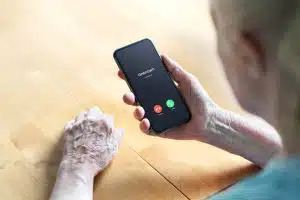
One of the most prevalent schemes is Medicare call scams, where fraudsters pose as representatives from Medicare to deceive beneficiaries. These scams are carefully designed to exploit trust, urgency, and confusion surrounding Medicare. Common tactics include:
- Claiming there is an issue with your Medicare card, such as it being expired or needing replacement, and pressuring you to act immediately.
- Asking for personal information to update records, such as your Medicare number, Social Security number, or banking details, under the guise of updating records.
- Offering free medical equipment or services in exchange for your Medicare number, often with false claims that it’s completely covered.
To make their calls appear legitimate, scammers frequently use caller ID spoofing, a technology that manipulates the caller ID to display “Medicare” or a similar trusted organization. This tactic makes it seem like the call is genuinely from a government agency. In reality, Medicare representatives will never call you unsolicited to ask for personal or financial information.
2. Fake Medicare Card Updates
Scammers may claim that Medicare is issuing you a new Medicare card and require you to verify your personal information. In reality, Medicare will never call or email you asking for your Medicare number or Social Security information to issue you a new Medicare card.
3. COVID-19 Testing and Vaccination Scams
During the pandemic, scammers capitalized on the fear and confusion surrounding COVID-19. They offered fake testing kits, vaccinations, or treatments in exchange for Medicare numbers, which they then used to commit fraud.
4. Fraudulent Medical Equipment Offers
Some scammers promise free or low-cost medical equipment, such as wheelchairs, but only if you provide your Medicare number. In many cases, the equipment is unnecessary, and the scammer bills Medicare for it, leading to increased costs for everyone in the system.
5. Phishing Emails and Texts
Another common Medicare scam is scammers using email and text messages to trick people into revealing personal information. These messages often include links to fake websites designed to steal your Medicare details.
Medicare Scam Red Flags to Watch Out For
Knowing the signs of a Medicare scam can help you protect yourself. Watch out for the following:
- Unsolicited Calls or Messages: Medicare (or any health insurance provider) will never suddenly contact you to request personal information or your Medicare number.
- Requests for Immediate Action: Scammers often use urgency to pressure you into making hasty decisions.
- Offers That Sound Too Good to Be True: Be cautious of free medical equipment or services that require your Medicare number.
- Threats or Intimidation: Legitimate Medicare representatives will never threaten you with loss of benefits.
- Pressure to Provide Payment Information: Scammers may ask for bank account or credit card details to resolve a “problem.”
- Errors in Communication: Look for poor grammar, spelling mistakes, or unprofessional behavior in emails or calls.
- Requests to Pay Fees for Services or Cards: Medicare does not charge fees for new cards or benefits processing.
Steps to Protect Yourself from Medicare Scams
1. Never Share Personal Information Over the Phone
If someone calls you claiming to be from Medicare, hang up and avoid giving out your Medicare number, medical records, Social Security number, or banking details. Hang up and call your health insurance company directly if you’re unsure as to whom you’re speaking to.
2. Be Skeptical of Free Offers
Scammers often lure Medicare scam victims with offers of free medical supplies or services. Always remember that Medicare does not send unsolicited offers.
3. Use Caller ID and Block Suspicious Numbers
If you receive repeated Medicare scam calls, consider blocking the numbers or using a call-blocking app. Even if the number appears legitimate, always proceed with caution.
4. Check Your Medicare Statements
Regularly review your Medicare Summary Notices or Explanation of Benefits for unfamiliar charges. Report any suspicious activity immediately.
5. Educate Yourself and Your Loved Ones
Many Medicare scams target the elderly. Share information about any Medicare scam with friends and family to help them stay vigilant.
How to Report Medicare Fraud and Scams
Reporting Medicare scammers not only protects you but also helps prevent others from becoming victims. By reporting Medicare scams, you provide authorities with the information they need to shut down fraudulent operations and hold scammers accountable. Reporting Medicare scams also helps Medicare identify trends to improve security measures.
If you believe you have been targeted by a Medicare scam, it is crucial to act quickly. Here’s how to report Medicare scams:
- Contact Medicare Directly: Call Medicare at 1-800-MEDICARE to report the scam. Provide as much information as possible, including the caller’s name, phone number, and details of the conversation.
- Report to the Federal Trade Commission (FTC): Visit the FTC’s website to file a complaint about Medicare scams.
- Alert Local Authorities: If you feel threatened or believe you have fallen victim to a scam, report the incident to your local law enforcement agency.
FAQs
What are the most common Medicare scams?
Scams often involve fake Medicare representatives asking for personal information, offering free medical equipment, or claiming issues with your Medicare card.
How can I tell if a Medicare call is a scam?
If the caller asks for your Medicare number, personal details, or payment information unsolicited, it’s likely a scam. Medicare will never call you for this information.
What is caller ID spoofing, and how does it relate to Medicare scams?
Caller ID spoofing manipulates the caller ID to display “Medicare” or another trusted name, making fraudulent calls appear legitimate.
Can Medicare representatives contact me by phone?
Medicare representatives typically do not make unsolicited calls. They will only contact you if you initiated communication or have a specific ongoing issue.
What should I do if I receive a suspicious Medicare call?
If you receive a suspicious Medicare call, hang up immediately and do not provide any information. Then, report the call to Medicare.
How can I protect myself from Medicare scams during open enrollment?
Be cautious of unsolicited calls, emails, or door-to-door visitors. Always verify information directly with Medicare or your plan provider.
What should I do if I accidentally share personal information with a scammer?
Contact Medicare and your bank immediately to report potential fraud. Monitor your accounts closely for unauthorized activity.
Are Medicare emails or text messages legitimate?
Medicare may send information via email or text, but they will not request sensitive personal or financial details. Always verify any communication directly with Medicare.
Medicare scams are a serious issue that can have devastating consequences for beneficiaries. By staying informed and vigilant, you can protect yourself and your loved ones from these fraudulent schemes.
Remember to never share personal information over the phone (including your Medicare number), be cautious of unsolicited offers, and report Medicare scams promptly.
Need more information on Medicare, take advantage of our free workshop.