

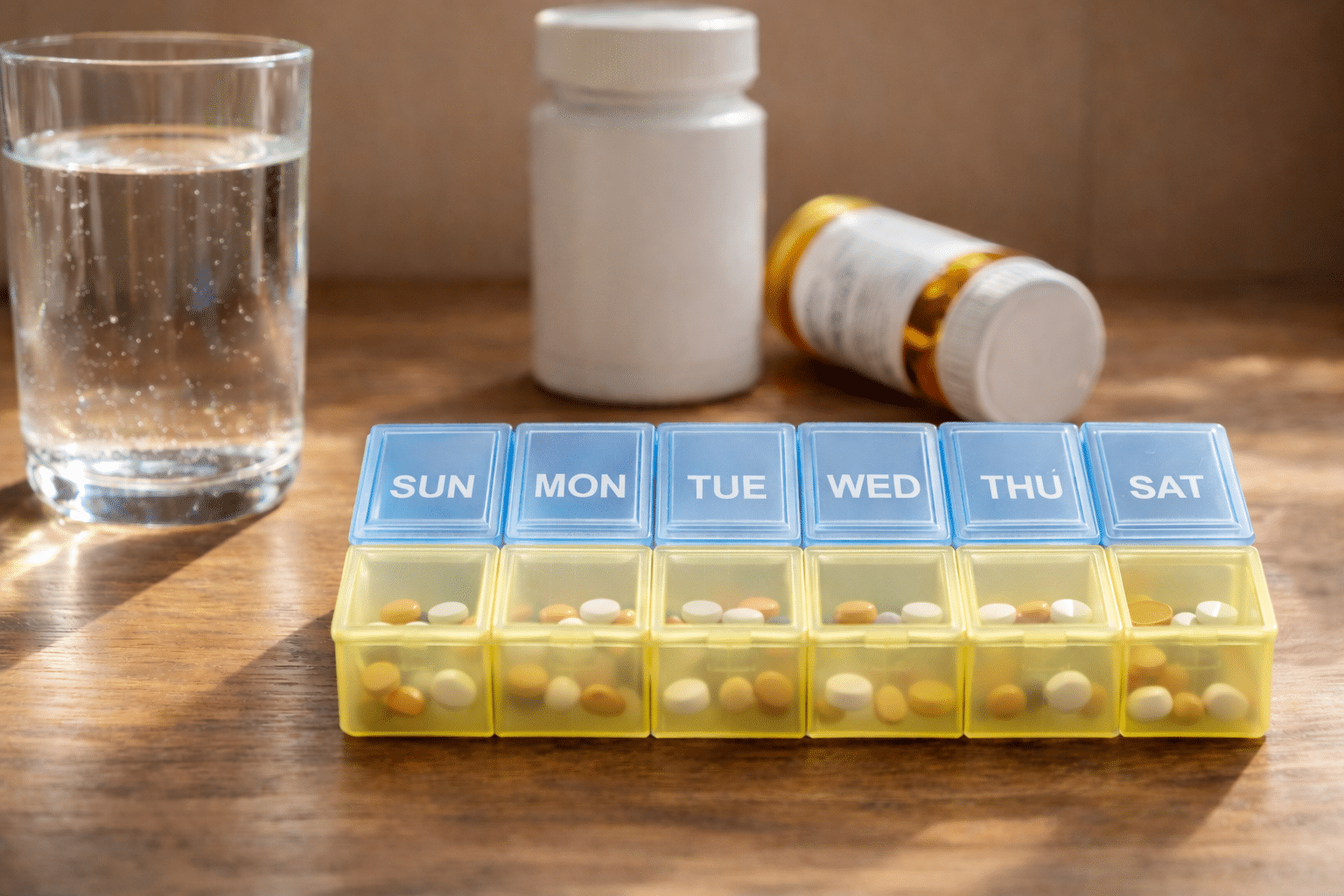
Medicare prescription drug coverage is a complex topic that leaves many beneficiaries confused about what is and isn’t covered under their plans. With healthcare costs continuing to rise, understanding exactly what medications are covered under Medicare Parts A and B becomes increasingly important for seniors and eligible individuals.
This comprehensive guide breaks down the intricacies of Medicare prescription drug coverage and outlines what you need to know to ensure you have adequate coverage for your medication needs.
Are Any Medications Covered Under Medicare Parts A and B?
Understanding how prescription drug coverage works under Medicare can be confusing, especially when trying to determine which medications are covered under Parts A and B.
While most prescription drug coverage is provided through Medicare Part D, there are certain situations where medications may be covered under Part A or Part B, depending on how and where they are administered.
How Medicare Covers Medications
Medicare coverage for medications depends on several factors, including:
- How the medication is administered
- Where the medication is received
- Whether the medication is considered medically necessary
- Medicare’s coverage rules and guidelines
In general, most outpatient prescription drugs are covered under Medicare Part D. However, some medications may be covered under Part A or Part B in specific situations.
Medicare Part A and Prescription Drug Coverage
Medicare Part A generally helps cover medications that are provided during an inpatient stay in a hospital or skilled nursing facility, when those medications are part of your treatment.
This may include:
- Medications administered during a covered inpatient hospital stay
- Certain medications received while in a skilled nursing facility, when eligibility requirements are met
- Medications related to hospice care for individuals who qualify
Coverage is typically included as part of the overall inpatient benefit, and costs may be subject to Medicare’s deductible and benefit period structure. Because costs can change each year, it’s important to review current Medicare information or confirm details with your provider.
Medicare Part B and Outpatient Prescription Drugs
Does Medicare Part B Cover Prescription Medications?
Medicare Part B covers outpatient services, preventive care, doctor visits, and durable medical equipment. However, Part B has limited coverage for prescription drugs, focused primarily on medications administered in outpatient settings by healthcare providers.
Outpatient Prescription Drugs Covered by Part B
Medicare Part B may cover certain medications, but only in specific situations. These medications are generally limited to those that are administered in a clinical setting or are associated with certain medical equipment.
Examples of medications that may be covered under Part B include:
- Drugs administered by a healthcare provider, such as injections or infusions
- Certain medications used with durable medical equipment (for example, some drugs used with an insulin pump)
- Some medications related to specific conditions or treatments, when Medicare criteria are met
Coverage depends on the type of drug, how it is administered, and whether it meets Medicare’s requirements. Not all medications are covered under Part B.
Specific Medications Covered Under Medicare Part B
Medicare Part B may cover certain categories of outpatient prescription drugs in specific situations, depending on how the medication is administered and whether Medicare’s coverage requirements are met.
1. Vaccinations and Immunizations
Medicare Part B may cover certain preventive vaccinations, including:
- Annual flu shots
- Pneumococcal (pneumonia) vaccines
- Hepatitis B vaccines for individuals who meet risk criteria
- COVID-19 vaccines
In some cases, additional vaccines may be covered when they are directly related to the treatment of an injury or illness and meet Medicare requirements.
2. Injectable and Infused Medications
Medicare Part B may cover certain injectable or infused medications when they are administered by a healthcare provider in a clinical setting and meet Medicare’s coverage criteria.
Examples may include:
- Chemotherapy drugs
- Certain anti-nausea medications related to chemotherapy
- Immunosuppressive drugs following a Medicare-covered organ transplant
3. Specialized Treatments
Some specialized medications and treatments may be covered under Part B when eligibility requirements are met.
Examples may include:
- Blood clotting factors: For individuals with certain conditions, Part B may cover clotting factors when specific criteria are met
- Osteoporosis injections: In certain situations, Part B may cover injectable osteoporosis medications administered by a healthcare provider
- Antigens: Part B may cover antigens prepared by a physician and administered under appropriate supervision
4. Diabetes Supplies and Insulin
For individuals with diabetes, Medicare Part B may cover certain supplies and equipment when medically necessary, including:
- Blood glucose testing supplies (such as monitors, test strips, and lancets)
- Insulin pumps, when Medicare criteria are met
- Insulin used with a covered insulin pump
Part B generally does not cover insulin unless it is used with a covered insulin pump. Most other insulin coverage is typically provided through Medicare Part D.
5. Alzheimer’s Disease Treatments
Medicare Part B may cover certain medications used in the treatment of Alzheimer’s disease when they are administered in an outpatient setting and meet Medicare’s coverage requirements.
Coverage depends on the specific medication, how it is administered, and whether Medicare criteria are met. Costs and eligibility may vary.
What Medications Aren’t Covered by Medicare A and B?
Despite the coverage provided by Parts A and B, there remains a significant gap in prescription drug coverage under Original Medicare. Medicare A and B do not cover:
- Most prescription drugs you pick up at a pharmacy
- Most oral medications taken at home
- Self-administered injectable medications (with some exceptions)
- Most vitamins and supplements
- Medications for cosmetic purposes
- Medications for erectile dysfunction (when used for sexual enhancement)
- Medications not approved by the FDA
Because of this, many people choose to enroll in a Medicare Part D plan to help cover these types of medications.
Why Medicare Part D Is Important
Medicare Part D plans are designed to provide coverage for many outpatient prescription drugs. Each plan has its own formulary (list of covered medications), as well as its own cost structure. Coverage, costs, and restrictions can vary by plan and location, so it’s important to review your options carefully.
Navigating Medicare Prescription Coverage Effectively
Using the Right Insurance Card for Coverage
To help ensure services are billed correctly under Medicare, it’s important to use the appropriate insurance information when receiving care:
- For inpatient or outpatient services where medications are administered, you may be asked to present your Medicare card along with any Medicare Supplement (Medigap) plan information to your healthcare provider
- For prescription drugs filled at a pharmacy, you should use your Medicare Part D plan card
In some cases, using the wrong insurance information may result in billing delays or require additional follow-up to process claims correctly.
Understanding Medicare Part B vs. Part D Coverage for the Same Medication
In some situations, the same medication may be covered under either Medicare Part B or Part D, depending on how it is administered and whether it meets Medicare’s coverage criteria.
- If a medication is administered by a healthcare provider in an outpatient setting, it may be covered under Part B when Medicare requirements are met
- If the same medication is self-administered at home, it may instead be covered under Part D, depending on the plan and formulary
For example, certain injectable medications, including some cancer treatments, may be covered under Part B when administered in a clinical setting. If similar medications are self-administered at home, coverage may fall under a Part D plan, depending on the specific drug and coverage rules.
Special Considerations for Specific Medication Categories
Coverage for High-Cost Specialty Medications
Specialty medications—often used to treat complex conditions like cancer, multiple sclerosis, or rheumatoid arthritis—can be expensive. Coverage for these medications depends on several factors:
- If administered by a healthcare provider, they may be covered under Part B.
- If self-administered, they would typically fall under Part D coverage.
- Under Part D, specialty medications are often placed in the highest cost-sharing tier, which can mean significant out-of-pocket costs.
Many Part D plans have a specialty tier for these high-cost medications, and it is important for you to verify your plan’s details.
Transitioning from Hospital to Home: Medication Coverage Changes
When transitioning from a hospital stay to your home, medication coverage can change significantly:
- During your hospital stay, medications are covered under Part A.
- After discharge, the same medications may require Part D coverage if self-administered at home.
If not properly managed, this transition can create coverage gaps and unexpected costs. Before discharge, it’s important to discuss your medication needs with your healthcare provider and verify coverage with your Part D plan.
Cost Considerations in Medicare Prescription Drug Coverage
Out-of-Pocket Costs Under Medicare A and B
For medications covered under Medicare Part A, costs are generally included as part of your inpatient hospital coverage, which may involve a deductible and coinsurance depending on your benefit period.
For medications covered under Medicare Part B, you may be responsible for a portion of the cost, which often includes meeting the annual Part B deductible and paying coinsurance based on the Medicare-approved amount. The deductible and cost-sharing amounts can change each year.
Managing Prescription Drug Costs
To help manage prescription drug costs:
- Review Plan Formularies: Check whether your medications are included in your plan’s formulary and understand any restrictions that may apply
- Consider Generic Alternatives: Ask your healthcare provider if lower-cost generic options may be appropriate
- Look Into Patient Assistance Programs: Some pharmaceutical companies offer programs that may help reduce medication costs for eligible individuals
- Explore Extra Help: Medicare’s Extra Help program may assist with prescription drug costs for individuals who meet income and resource requirements
- Compare Plans Annually: During Medicare’s Annual Enrollment Period (October 15 to December 7), review available plan options to find coverage that fits your medication needs
Ensuring Comprehensive Medicare Prescription Drug Coverage
Understanding how Medicare covers prescription drugs requires familiarity with the different parts of Medicare and how they work together. While Medicare Parts A and B may cover certain medications in specific situations, most prescription drug coverage is generally provided through Medicare Part D.
To better understand how your medications may be covered:
- Review what may be covered under Medicare Parts A and B
- Consider enrolling in a Medicare Part D plan that includes your medications on its formulary
- Use the appropriate insurance information when receiving care or filling prescriptions
- Review your coverage each year to make sure it continues to align with your needs
By understanding how Medicare prescription drug coverage works, you can make more informed decisions about your healthcare and potential out-of-pocket costs. If you have questions, you may choose to review your options independently or speak with a licensed professional for additional guidance.
If you’d like to learn more, you can watch our educational content or schedule time to review your coverage options and ask questions about how different plans work.
Original Medicare Drug Coverage FAQs
Does Medicare A and B Cover Prescriptions for Home Use?
Medicare Parts A and B generally do not cover most outpatient prescription drugs taken at home. Part A may cover medications during a covered inpatient stay, and Part B may cover certain medications administered by a healthcare provider in an outpatient setting. Most home-use prescription drugs are typically covered under Medicare Part D.
When Does Medicare Part A Cover Prescription Drugs?
Medicare Part A may cover medications that are provided as part of a covered inpatient stay in a hospital or skilled nursing facility, when they are included in your treatment and Medicare requirements are met.
What Happens If I Don’t Sign Up for Medicare Part D?
In some situations, delaying enrollment in Medicare Part D may result in a late enrollment penalty if you do not have other creditable prescription drug coverage. You may also be responsible for the full cost of medications that are not covered under Parts A or B. Costs and penalties can vary depending on your situation.
How Do I Know Which Medicare Part D Plan Covers My Medications?
You can review plan formularies and compare coverage options using Medicare’s Plan Finder tool at Medicare.gov or by calling 1-800-MEDICARE. Plan coverage, costs, and restrictions can vary, so it’s important to review details based on your specific medications.
If My Doctor Administers a Drug in Their Office, Which Part of Medicare Covers It?
Medicare Part B may cover certain medications when they are administered by a healthcare provider in an outpatient setting, if Medicare coverage requirements are met.